Early Andean communities developed many different farming, weaving and architecture methods to trade with the Spanish.
History
A brief history of Peru
Long before Spanish arrival, the Andes were home to powerful societies that developed complicated systems of governance. The best-known of these was the Inca Empire, which connected many regions of western South America through its extensive trade networks.
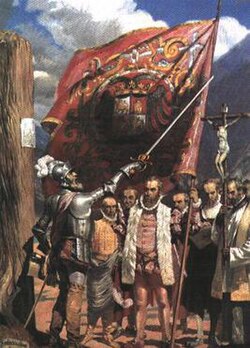
In the 1500s, Spanish conquest reshaped the region in many key ways. Over time, Peru developed as a colonial center and later moved toward independence in the 1800s. Modern Peru reflects both Indigenous traditions and Spanish influence, which can still be seen the languages and customs to this day.
Learning Peru’s history helps explain why natural sites such as Machu Picchu are so important. They are not only tourist destinations, but also symbols of continuity between ancient civilizations and the present day.
Important historical themes
The Incans used roads and planned cities to connect many different communities in what was a very low tech society.
Spanish rule reshaped politics and religion within Colonial Peru.
Today, Peru combines historic traditions from it's Incan days with modern cities and tourism.
Notable Peruvians
- Mario Vargas Llosa - novelist and Nobel Prize Winner.
- Yma Sumac - internationally known vocalist.
- Gastón Acurio - chef who helped promote Peruvian cuisine globally.
- Claudio Pizarro - professional soccer player.
- María Reiche - researcher known for work studying the Nazca Lines.